How the Instagram Algorithm Sees Losing Followers: Unfollowers Destroy Your Reach in 2026
Let us guess — you lose followers on Instagram every time you post content, even though everything seems to be done correctly. That situation feels similar to going to the gym, doing all the right exercises, but still not seeing results — and even worse, seeing regression.
Mass unfollowing from an account is a cause for concern. We know that every follower was earned with effort, time, and often money. Losing them matters, especially for brands and businesses where an entire team stands behind a single profile.
It often feels like all the right steps are being taken: SEO is applied. Alt titles are written. Engagement attempts are made. Yet Instagram unfollowers continue to appear.
This article explains how the Instagram algorithm 2026 interprets unfollows, why organic reach declines, and what that means for content strategy.
How Instagram's Algorithm Actually Works in 2026
The Instagram algorithm is unique, and it is difficult to compare it with other systems. Google, for example, responds to user search queries and delivers results based on search intent. If a page loses traffic, Google usually lowers it in search results.
Instagram works differently. It does not wait for users to ask questions. It suggests content before users even search for it. The recommended section, the Explore section, and feed formation follow completely different logic from Google.
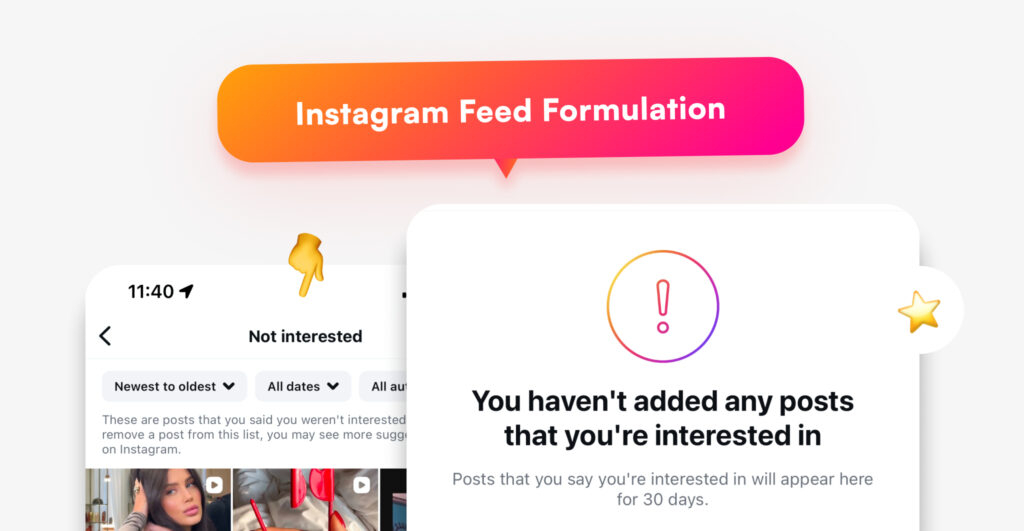
The algorithm analyzes many indicators. It tracks how many followers an account had and how many it has now. That number is one of the most important signals.
Unfollowing reflects how users feel about your content. The system interprets this behaviour as feedback on the quality and relevance of published posts. This is part of how Instagram algorithm works and how Instagram ranking signals 2026 operate internally.
Why Unfollowers Are More Damaging Than You Think
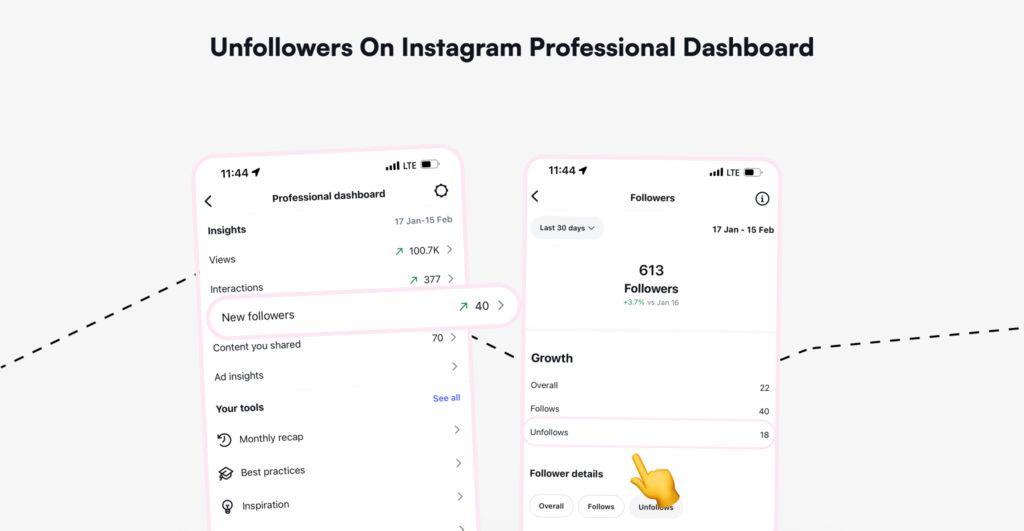
Unfollowing on Instagram is a normal process. Many users clean their feed and adjust what they see daily. A small percentage of unfollowers, around 2–5% daily for large creators who post frequently can be normal. See unfollowers count in Instagram Professional Dashboard - New followers - Unfollowers:
However, the system interprets unfollowing as a personal decision not to see similar content again. It marks this preference not only for that unfollower but also as a characteristic of your account’s content.
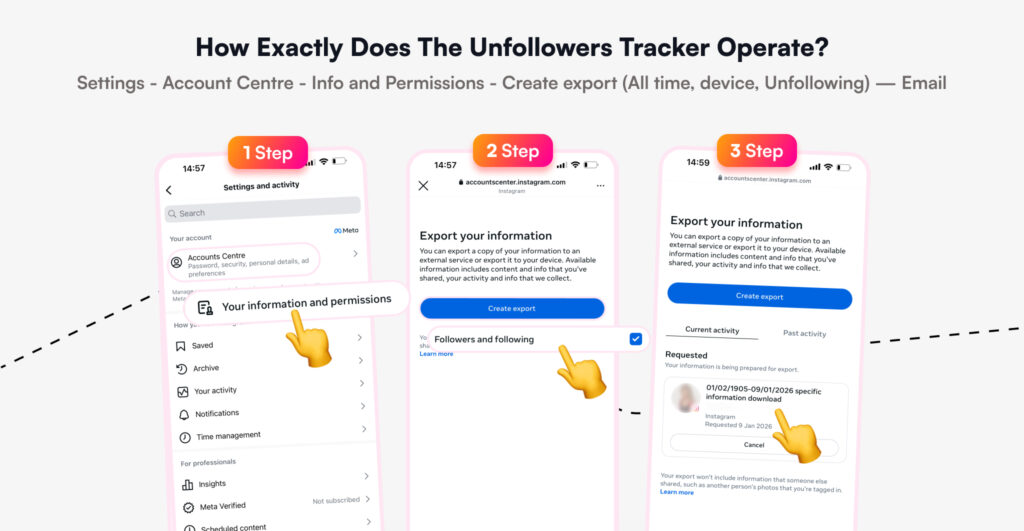
This is why monitoring patterns with an unfollower tracker on Instagram becomes relevant. It shifts from curiosity to analytical necessity. You can’t see who unfollowed you on Instagram as a daily notification from the official app. But you can check it with an automated unfollowers audit tool by uploading an exported Instagram account data (JSON format).
Ghost Followers vs. Active Unfollowers — Not the Same Problem
There are two audience quality issues:
Ghost followers
These accounts still follow but never interact. They dilute engagement rate over time. The impact of ghost followers on the Instagram algorithm is slow and cumulative.
Active unfollowers
These accounts leave. They create visible actions and stronger signals. Active Instagram unfollowers create sharper signals for the algorithm.
What Content Triggers Mass Unfollows
Several content patterns often lead to spikes in Instagram unfollowers:
- Advertising and excessive commerce
Constant sales posts shift focus away from value. - Too much or too little content
Posting excessively or disappearing for long periods both reduce interest. - Changing content strategy
Followers join for one topic. Sudden changes lead to departures. - Low-quality content
Poor visuals, weak text, or lack of uniqueness reduce retention. - Bots and fake accounts
Instagram removes fake accounts, which can look like mass unfollowing.
For deeper emotional and social aspects of this, see our guide about friends unfollowing on Instagram.
How to Use Follower Drop Patterns
It is possible to check who unfollowed you on Instagram using a follower change monitor such as Unfollower Tracker. Reviewing exported Instagram data helps identify patterns.
If a noticeable drop occurs:
- Identify the date of the decline.
- Match it to content posted 24–72 hours earlier.
- Evaluate what changed — tone, topic, or frequency.
- Look for repeated patterns.
Monitoring Instagram unfollowers regularly strengthens Instagram growth strategy 2026 decisions.
Conclusion
Instagram does not randomly reduce reach. It interprets patterns. Unfollower data becomes valuable when analyzed instead of ignored.Start by reviewing the current audience composition. Then see who stopped following you on Instagram in the Followers analyzer tool and evaluate whether content and audience are aligned.

Track Your Instagram Unfollowers
Discover who stopped following you and optimize your growth strategy with our free tool.
Discover Unfollowers