How Instagram Unfollows Affect Mental Health (And How to Cope)
If you've ever experienced that sticky, unpleasant feeling after discovering that someone on Instagram has unfollowed you, or if you find yourself tapping the Instagram icon for the 26th time in a day for a quick dopamine hit instead of engaging with a loved one who is sitting right here, then this guide is for you.
If you notice strong emotional reactions to small platform changes, it may be worth reflecting on your relationship with social media.
In this guide, the examination will cover in detail what can provoke such feelings and exactly how. Strategies will be provided for studying what is happening in a profile. With a calm heart and a cool head, evaluation can occur without resorting to distress and feelings of depression.
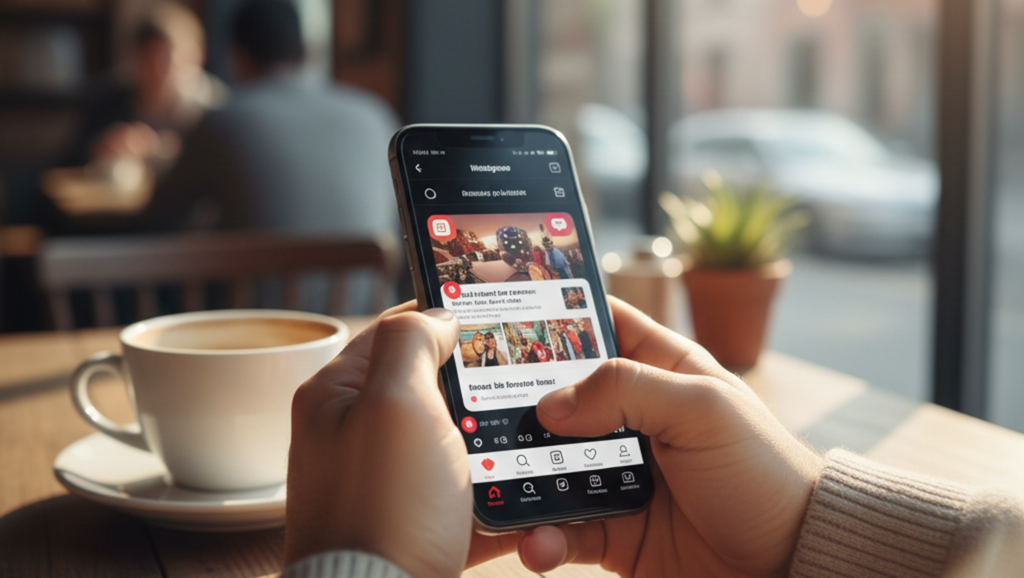
Understanding social media mental health requires examining both digital behaviors and their real-world emotional impacts.
The Mental Health Impact of Social Media Tracking
The World That Multiplied in Two
Social media is not just something that is present in our lives sluggishly. It is now not just a place where people share their photos. As if they were showing their family photo album. Now it is a place for earning money. And a place for an endless and disturbing social comparison.
A place for interaction, a place to find a soul mate, a place to learn useful information, and express opinions. In other words, social networks now play a very important role inpeople's lives. They literally dictate daily routines.
The Digital-Reality Divide
What happens on social networks is immediately transferred to reality. Or vice versa, what happens in reality is immediately reflected on social media. The enormous influence that Instagram has today cannot be ignored.
However, this corner of life remains just that. A corner that in no way affects what may actually happen to bodies, thoughts, and who people are in reality.
The Thought Experiment
It's quite difficult to comprehend, but a fairly simple idea helps. To delve deeper into the concept of how social networks are irrelevant to the reality of human life. Imagine that tomorrow, for whatever reason, social networks disappear completely from life.
Details about why don't matter, but they simply vanish completely. All Instagram icons no longer exist on phones. Facebook is completely gone, as if it had never existed. Twitch and similar platforms would simply be blocked and dead.
The Relief Response
When imagining this, what is felt? Be honest, if you’re not a person who earns on social media, but only with the help of social media. If they are not a brand or a blogger, then most likely relief will be felt.
It is with this sense of relief and lightness of heart that social media should be used. Fully understanding that their presence in life has no bearing on who people are. What they do in life, what kind of people surround them, and whether someone has treated them to a cup of coffee.
Social networks are simply another way to communicate and consume information. In reality, if taken away from people once and for all, people's attitudes will not change.
Dopamine spikes triggered by Instagram
Imagine enjoying a piece of candy and then suddenly discovering one that’s exceptionally delicious! It’s kind of like the feeling you get when you receive a like on Instagram. That little boost of joy in your brain? That’s called an Instagram dopamine spike. Dopamine is a messenger in your brain that sparks happiness and excitement.
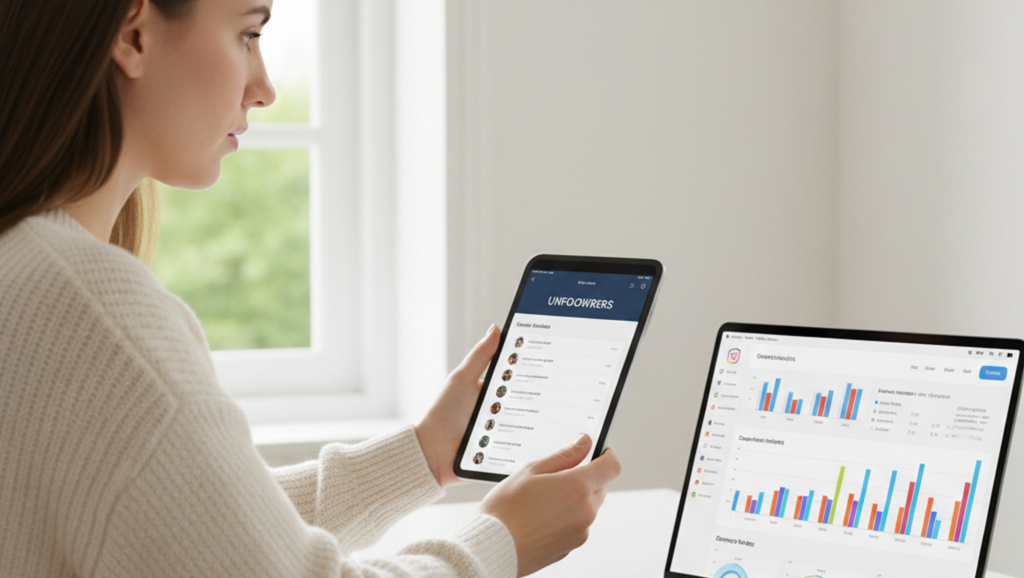
What’s really interesting is that Instagram has mastered the art of delivering these tiny bursts of joy. Their smart algorithms tailor the content they show you, highlighting images and videos they believe you’ll love, especially those that surprise you. For instance, coming across a funny cat video might make you laugh and trigger another quick hit of dopamine. These delightful surprises keep you scrolling for more.
However, there can be a downside. The more you scroll, the more your brain craves dopamine to feel the same thrill. It’s like eating too much candy—soon, those regular treats don’t taste as sweet. Furthermore, consuming this much sweetness will soon harm your teeth. Too many spikes can lead to feelings of boredom or sadness unless you keep discovering new things online.
Additionally, spending too much time on Instagram can lead to comparisons with others (once again — social comparison research). For example, seeing someone’s gorgeous vacation photo might make you wish your life were that exciting, even though most people only post their highlight reel. This kind of comparison can sometimes leave you feeling lonely or dissatisfied.
So, remember that spending excessive time on Instagram isn’t always a good thing. Try taking breaks from scrolling to give your brain a chance to reset and enjoy the simpler pleasures in life again.
When Checking Unfollowers Becomes Compulsive
Six Signs of Mental Dependence on Social Networks
Deep mental dependence on social media likely exists if any of the 6 signs of mental dependence listed below are exhibited. Recognizing these patterns is the first step toward healthier digital wellness habits.
Warning Sign 1: Excessive Opening
For example, opening Instagram more than 10 times a day. Setting restrictions that limit social media use, but the deeper the addiction is, the more these restrictions are violated. Logging into Instagram again and again.
Warning Sign 2: Emotional Reactions to Comments
Taking what people write on social media too personally. Getting upset and feeling unbalanced when people don't write anything. This reaction indicates that social media mental health has become compromised.
Warning Sign 3: Like Count Anxiety
Getting upset if a steady stream of likes on content isn't received. If posting something and usually getting around 20-30 likes on a similar post, but this time only getting 15. Feeling like something was done wrong and that the post is bad.
Warning Sign 4: Digital Identity Confusion
Judging a person by their social media. In real life, evaluating a person based on their social media rather than who they really are in real life.
Warning Sign 5: Information Dependency
Starting to search for all the needed information directly on social media. Stopping the use of Google or GPT chat. Now specifically going to social media to confirm, find, and verify any information.
Warning Sign 6: Inability to Disconnect
Having no idea how to spend time without social media in general. Never taking breaks from social media for at least 1-3 days. Not because of intention, but simply because logging in is never forgotten.
The Risk Assessment
If any of these signs are noticed, then risk is most likely already present. Techniques definitely need to be used to significantly reduce the pressure of mental dependence on social media in life.
Over time, if thinking about it already exists now, this pressure can only get worse. It can affect life in a not very positive way. Creating new reasons for anxiety and panic, even though in reality, nothing is happening in life.
3 Instagram Behaviors That Trigger Emotional Reactions
By attaching too much importance to friends' behavior on social media, too much importance may be attached to personal behavior on social media. Without realizing how insignificant and inconsequential actions on social media are in relation to real life.
Problem 1: Delayed Message Responses
Not responding to messages in Direct for a long time after they have been read is annoying. Not only on social networks, but also in Messenger and anywhere else.
But understanding is needed that in the past, a phone call was a specific intrusion into a person's life. Which they agreed to by picking up the phone. They specifically agreed to talk right then.
It means that at that moment, they had the time and opportunity to talk. But a Direct message is not the same as a phone call. People may be busy with other things at that moment.
Even if a person has read messages in Direct, it does not mean that they have to respond to them immediately. Therefore, treat it as a letter that has been sent. Just as a paper letter was actually sent.
Problem 2: The Instagram Unfollow Hurt
Also, it hurts people when they are unfollowed. If wondering why someone has unfollowed you, it is normal. The following is perceived as the prototype of real friendship in life.
But in no case should upset feelings result from it. The reasons for unfollowing can be completely different. Far from always, and not even in 50% of cases, is it a personal reflection of reality.
The Follow-as-Magazine Metaphor
Think of following on social media as a book. Imagine that a person is creating their own magazine or book. Forming a list of those they follow.
If understanding exists that a person is simply forming their feed. Instagram has long been a way of expressing personal affection for someone through following. Instagram shapes mood for the day with its flow of information.
Weekly Analysis Over Daily Obsession
If you run a creator account, rather than constantly monitoring unfollowers, use analytics tools, like the unfollower tracker tool, intentionally — at set intervals — rather than reactively.
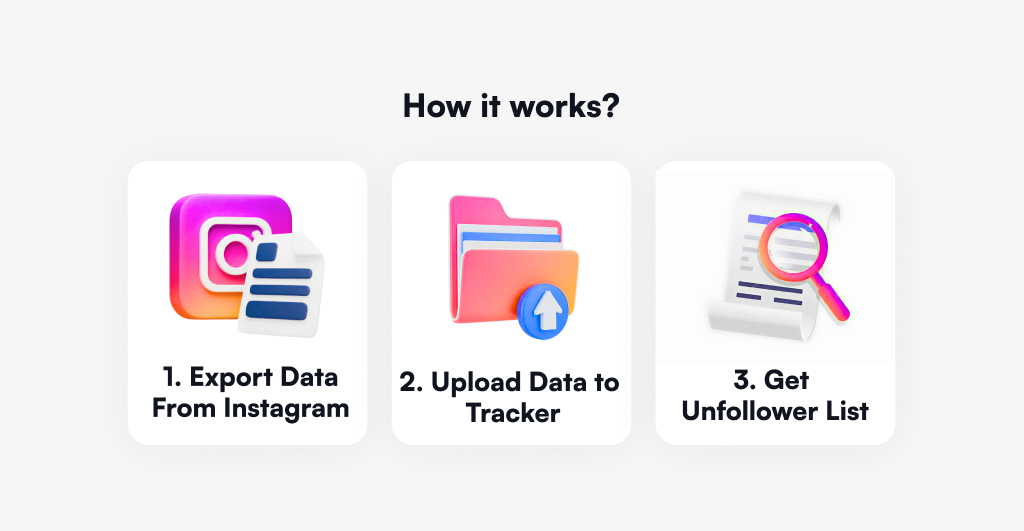
Imagine that information simply does not match the book that this person wants to read every day. And that's okay. It doesn't mean that they don't like someone or that they are a bad person. They just have different tastes in content.
Problem 3: Story Views Without Reactions
And, of course, the last of the top unpleasant things on social media. But no less annoying is when someone views a story but doesn't leave a reaction.
This is one of the most unpleasant minor nuances that people have written about on social media. Instagram allows seeing a list of people who have viewed stories in the last 24 hours.
People often get caught up in this information and cause themselves mental irritation. By looking at someone on the list and seeing that they viewed a story and did not react in any way. Even though a reaction from them was expected.
Hacks to Get Over Your Instagram Obsession
Healthy Tracking Practices
Naturally, having discovered so much about digital screens and digital reality, receptors need cleansing from the influence of social networks. Of course, this will take time. It does not happen immediately.
Acceptance is needed that this is now part of life. Constant attention needs to be paid to it. Because if it is let go, over time, it can take too prominent a place in feelings.
Strategic vs. Compulsive Monitoring
Awareness means checking analytics with specific business or growth goals. Obsession means checking repeatedly without purpose, driven by anxiety. The former serves professional development; the latter harms social media mental health.
Mindful Engagement Principles
Track growth metrics for strategic insights, not validation. Use data to inform content strategy, not measure self-worth. Maintain emotional distance from numbers by focusing on creative expression and authentic connection.
How to Retrain Your Brain from Instagram Validation
Instagram Notification Batching
A preset on the Instagram app feature is designed to consolidate multiple notifications into a single alert, which helps reduce convenience distraction. Review your ONE Instagram notification a day at a designated time rather than receiving constant interruptions (name triggers) throughout the day.
Instagram Follower Metrics Blackout
This blackout period can promote a healthier social media experience by minimizing anxiety related to follower count and engagement metrics, encouraging users to focus on content quality instead.
Story View Hiding Habit
This feature, if applied to most of the triggering accounts, leaving just a very pleasant, neutral feed, can reduce the pressure associated with social interaction on platforms, as users can engage with content casually without the awareness of the original poster.
Conclusion: Managing Mental Health with Social Media Tools
That is, what happens on social media would remain there. If meeting someone who unfollowed on Instagram occurred and not talking to them after that happened, it would be strange.
Instantly forgetting about what kind of relationship existed in some digital form would occur if meeting this person happened. Having a coffee with them and having a great understanding of each other. What was on social media would remain there.
Integrating Digital Wellness
Techniques for relieving overload on mental health on social media exist and work effectively. The key is consistent application and self-awareness. Digital wellness practices protect both creative pursuits and emotional health.
Frequently Asked Questions
How does social media affect mental health, especially regarding followers?
Tracking followers, likes, and unfollows can contribute to anxiety and other mental health concerns. The constant evaluation of social metrics triggers comparison behaviors and validation-seeking patterns. This creates a dependency where self-worth becomes tied to digital engagement numbers. Recognizing this connection is crucial for developing healthier social media habits.
What is a healthy way to track unfollowers on Instagram without getting anxious?
Maintain a balanced approach by limiting tracking frequency to weekly or monthly intervals. Set specific times for checking analytics rather than constant monitoring. Focus on growth trends rather than individual unfollows. Remember that unfollowing often reflects content preferences, not personal rejection. Use tracking for strategic insights, not emotional validation.
What are some signs that I might be becoming obsessive about Instagram unfollowers?
Warning signs include checking Instagram more than 10 times daily. Violating self-imposed time limits repeatedly. Taking online comments too personally. Feeling upset over like count fluctuations. Judging people primarily by their social media presence. Searching for all information exclusively on social platforms. Inability to disconnect for even 1-3 days. These patterns indicate the need for intervention and healthier boundaries.

Track Your Instagram Unfollowers
Discover who stopped following you and optimize your growth strategy with our free tool.
Discover Unfollowers